How to Design Your Clothing Line: AI Fashion Design and Development
Designing a clothing line is an exciting venture, but it can also be a challenging and costly process—especially when it comes to creating patterns and managing production.
From choosing the right fabrics to ensuring a consistent fit, the journey from concept to finished garment can take a lot of time and resources.
Fortunately, technology is transforming how designers approach this process, enabling them to streamline development and make smarter design decisions.
Here’s how you can design your clothing line more efficiently while maintaining creativity, originality, and control over your designs.
Step 1
Define Your Vision and Concept
The first step in creating a clothing line is to define your brand’s vision. What’s the purpose behind your collection? What story are you telling through your designs?
The vision you create will inform your design decisions and ensure that your clothing line is cohesive and aligned with your target market’s desires.

Key Questions to Ask
Having a clear vision allows you to stay focused on the bigger picture, ensuring that every design choice aligns with your brand’s mission.
- #01Who is your target customer?
- #02What makes your designs different from others on the market?
- #03What message do you want your clothing line to convey?
Step 2
Create Your Designs and Visualize Your Collection
Once you’ve established your vision, it’s time to start creating your designs. Rather than starting from scratch with every new garment, consider leveraging existing pattern blocks that can be customized to suit your designs.
This approach can save you significant time, especially when working with a variety of garment types.
For instance, if you’re designing tops, dresses, or pants, pre-existing patterns provide a solid foundation that you can modify according to your desired silhouettes and style. This allows you to quickly and accurately scale your designs to different sizes, without sacrificing quality.
Steps to Take
- #01Use existing pattern blocks as starting points.
- #02Customize the patterns with adjustments to measurements, fit, and design details.
- #03Focus on refining the features that make your designs unique, such as sleeve styles, necklines, and fabric choices.
Step 3
Choose Fabrics and Materials
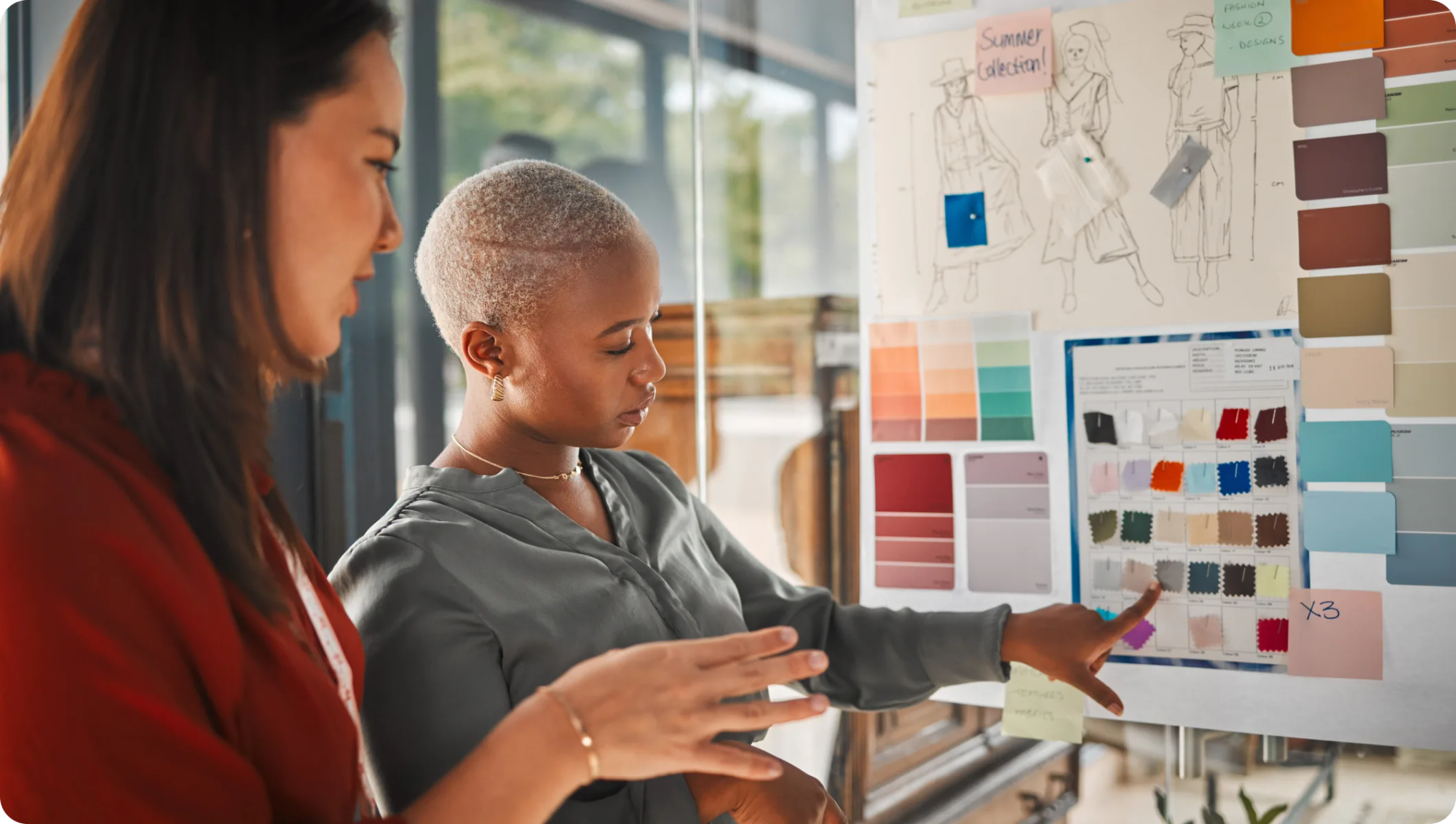
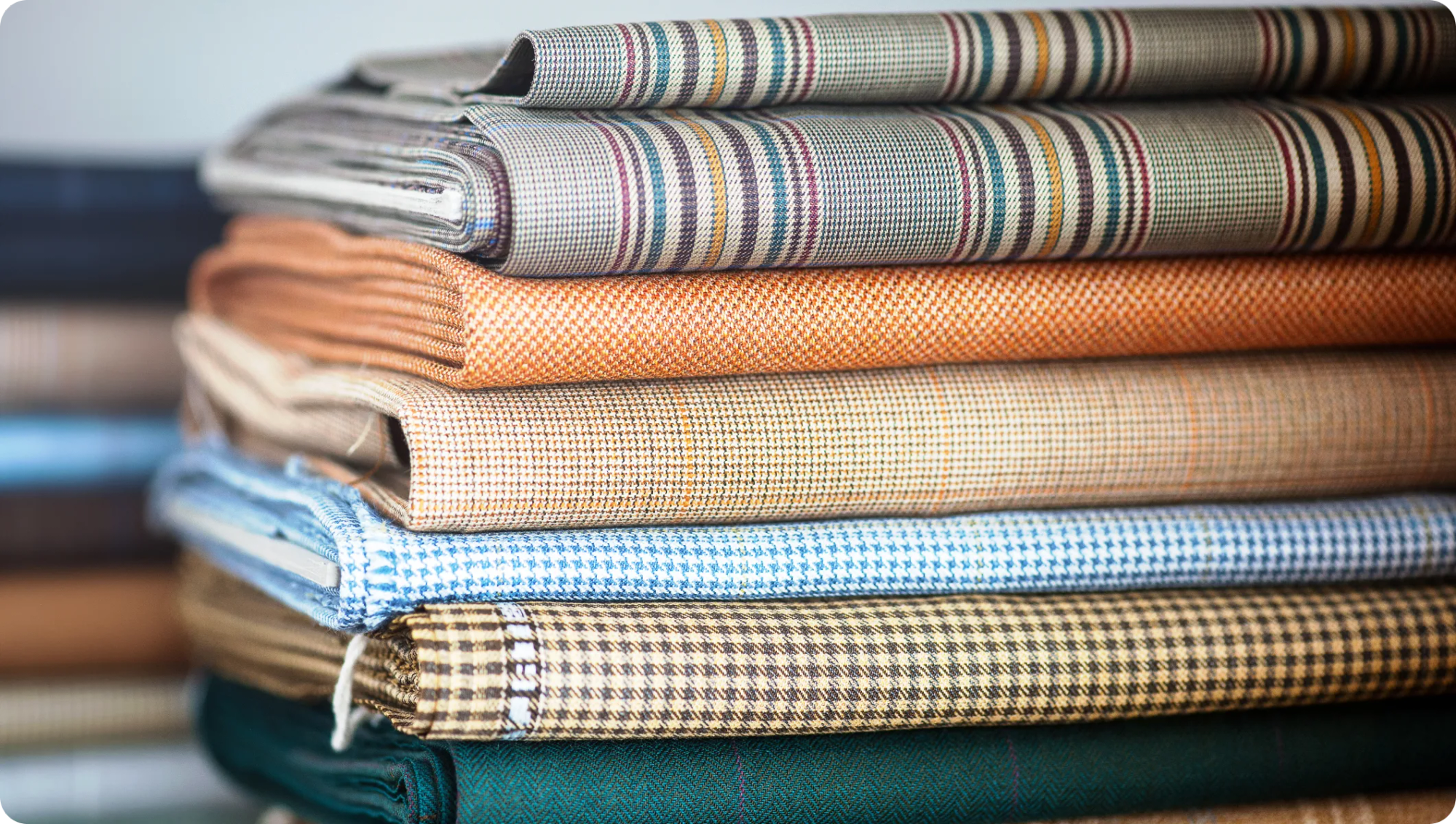
Choosing the right fabrics is essential in ensuring your designs meet both aesthetic and functional needs. Different fabrics behave differently, affecting how a garment fits, drapes, and wears.
As you choose your materials, consider your overall vision for the collection and the specific needs of your target market.
The key here is not to overcomplicate the fabric selection — focus on quality and variety while ensuring that the fabrics are suitable for your intended designs.
If you’re creating a sustainable line, make sure your fabrics align with that philosophy. Many designers now opt for eco-friendly options that align with their brand values and resonate with their customers.
Tips for Fabric Selection
- #01Choose fabrics that align with your brand’s identity and target market.
- #02Ensure the fabric will work well with the chosen pattern (e.g., flowing fabrics for relaxed fits, structured materials for tailored designs).
- #03Look for sustainable and ethical fabric choices if that aligns with your brand values.
Step 4
Build Your Pattern Collection
Once you have a clear idea of your designs and fabric choices, it’s time to create or select patterns that reflect your ideas. Instead of developing complex patterns from scratch, you can leverage existing patterns from an established library of pre-made blocks.
This approach is efficient and cost-effective, particularly when you’re in the early stages of creating your collection.
With ready-to-use blocks, you can focus on fine-tuning your designs—such as adding darts, pleats, or unique fabric applications—rather than spending excessive time on pattern drafting.
This also allows you to test various styles without investing heavily in custom patterns for each individual design.
Steps for Building Your Pattern Collection
- #01Use pre-made pattern blocks as templates for different garment types.
- #02Customize each pattern based on your design concepts (e.g., adjusting sleeve length or adding new details like pockets or pleats).
- #03Ensure the patterns are properly graded to fit a range of sizes.
Step 5
Keep Silhouettes Simple, But Elevate with Beautiful Fabrics and Details
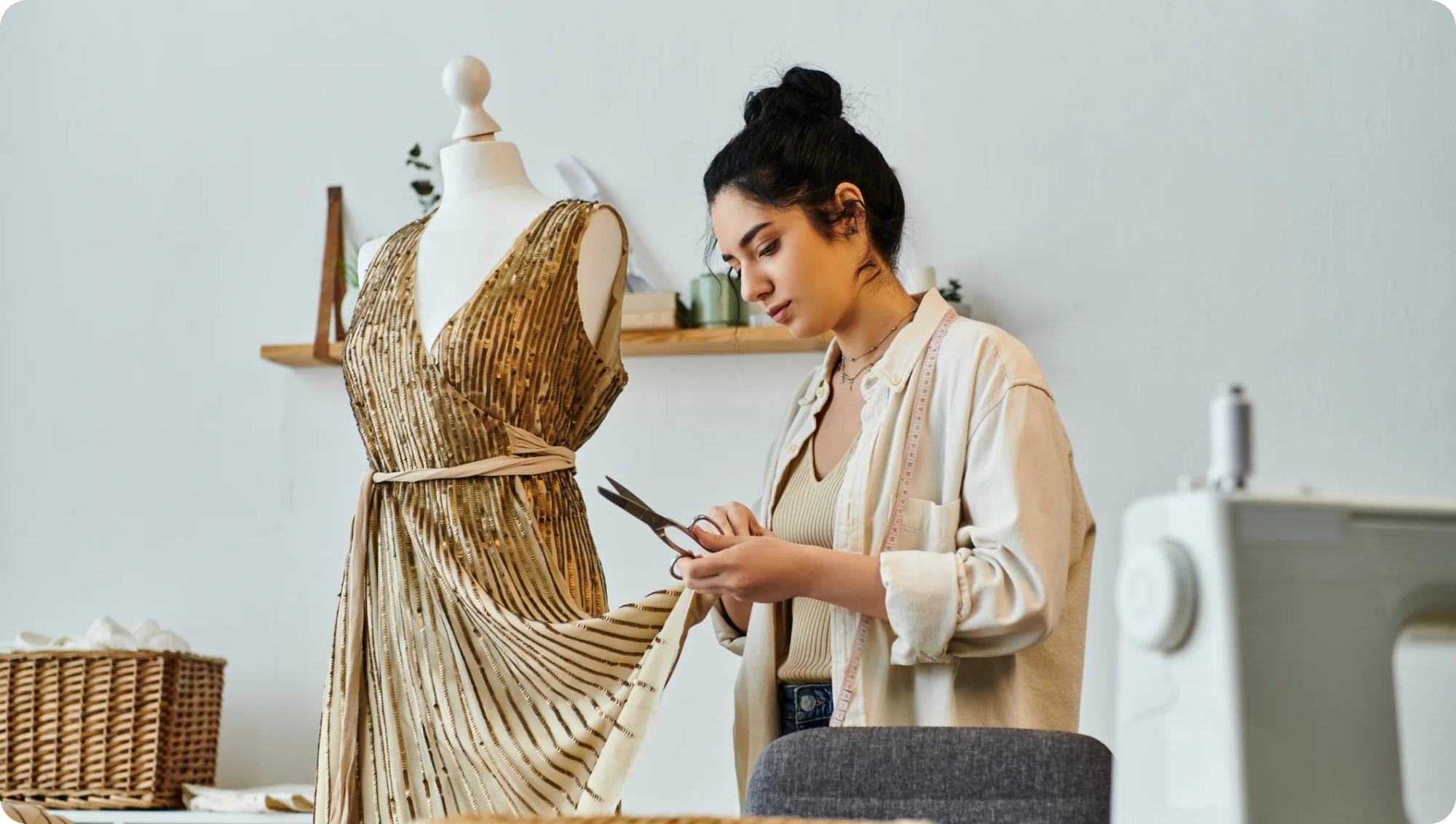
One of the smartest ways to design your clothing line is to keep your silhouettes relatively simple while using luxurious fabrics, embellishments, trims, and prints to elevate your designs.
Instead of spending thousands of dollars developing complex silhouettes that may not resonate with your audience, focus on building your collection using versatile and simple blocks.
With the right fabric choices and thoughtful embellishments, even a basic silhouette can stand out and become something truly unique. Techniques like print slicing or incorporating intricate embellishments can help you differentiate your pieces without overcomplicating the design process.
Why Keep Silhouettes Simple?
- #01Cost-effective
Simpler silhouettes reduce development costs and minimize the need for multiple revisions.
- #02Market Testing
By starting with basic shapes, you can quickly test various designs with your target market to see what resonates before committing to complex, high-cost designs.
- #03Faster Production
Simple silhouettes speed up the design-to-production timeline, allowing you to get your garments to market faster.
Step 6
Create Your Prototypes and Samples
After finalizing your patterns, it’s time to create prototypes and samples. This step typically involves testing the fit and quality of your designs, ensuring that they meet your expectations. In the past, this could involve numerous rounds of fittings and adjustments.
However, by using pre-made patterns and digital tools, you can reduce the time spent on this phase, refining your designs much more efficiently.
Creating prototypes digitally allows you to test your garments in the virtual space before committing to physical samples, saving both time and resources. Once the digital prototypes are approved, physical samples can be made quickly.
Prototype Tips
- #01Test your prototypes digitally first to assess fit and design.
- #02Make necessary adjustments before committing to physical samples.
- #03Limit the number of physical samples you produce until you have validated your designs with your target market.
Step 7
Organize Your Production Process
Once your designs are finalized, it’s time to scale production. Having efficient production processes in place is essential to ensuring that your designs are made on time, within budget, and to the highest quality standards.
By integrating your patterns and tech packs directly with the production team, you ensure that your designs are accurately replicated without unnecessary revisions.
With streamlined systems in place, you can reduce errors and delays, ensuring that your garments are produced on schedule and to the highest standard.
Key Production Considerations
- #01Create clear tech packs to communicate all the necessary specifications to manufacturers.
- #02Use digital tools to ensure that patterns are accurate and easily shared with your production team.
- #03Maintain consistency throughout production by adhering to your design standards.
Step 8
Market and Launch Your Clothing Line
With your collection ready for production, the next step is to market and launch your clothing line. It’s important to keep your vision, aesthetic, and unique design signature consistent across all marketing channels, from your website to social media.
Use your platform to tell the story behind your brand and connect with your target customers on a personal level.
Effective marketing allows you to build a loyal customer base and gather important feedback on your designs, helping you refine future collections and make informed decisions about your brand's growth.
Conclusion
Design Your Clothing Line the Smart Way
Designing a clothing line doesn’t have to be a complex, time-consuming process. By simplifying your silhouettes, leveraging existing patterns, and using high-quality fabrics and embellishments to elevate your designs, you can create a unique and cohesive collection without breaking the bank.
With modern tools and smarter workflows, you can focus on what truly matters—bringing your creative vision to life and ensuring your designs resonate with your audience. By working smart, you’ll not only save time and money but also be able to bring your fashion brand to life faster and more efficiently.