Maintaining Consistent Fit: Beyond Basic Measurements
Understanding Fabric-Specific Fit for Every Garment Style
Creating a garment that fits perfectly every time can be a monumental challenge for designers — especially when you're working with different fabric types and garment styles.
Each fabric behaves uniquely, influencing how a garment fits and moves.
PatternFast takes the guesswork out of this by offering an intelligent, fabric-aware size chart system that adjusts for fabric behavior while preserving the integrity of your brand’s core fit.
No more inconsistent fits or tedious trial-and-error fittings. Just precise, accurate fit that aligns with your brand’s identity.
The Woven vs. Knit Fabric Difference
Fabric Behavior is Key to Fit Success
Woven and knit fabrics have distinct characteristics that can drastically affect how your garments fit and feel.
PatternFast ensures that you take these factors into account while maintaining a consistent fit across your collections. Here’s a closer look at how these fabric types differ:
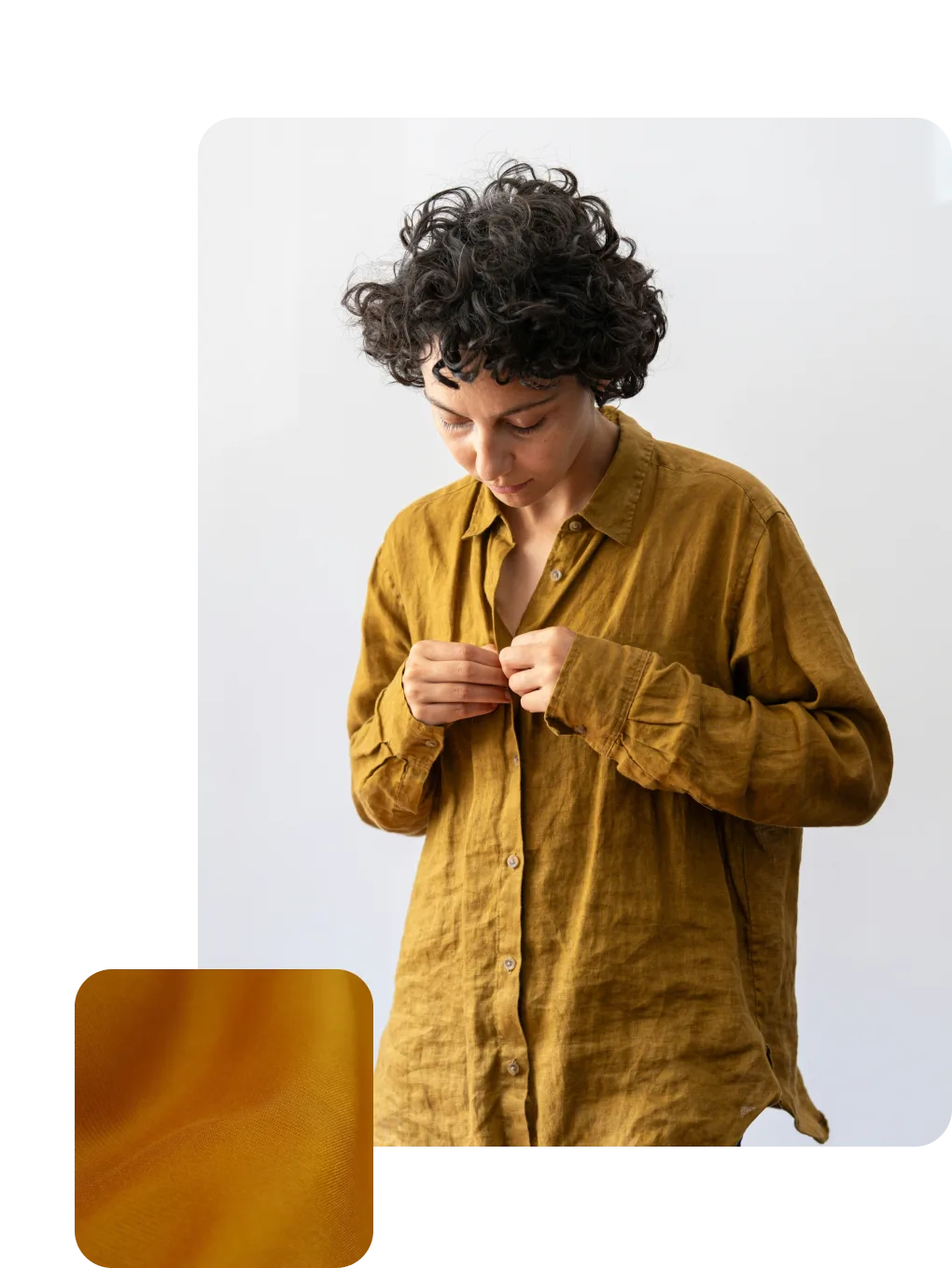
Woven Fabrics
Woven fabrics are constructed by interlacing two sets of yarns at right angles to each other. They are more rigid and have limited stretch, which means they require precise measurements and allowances:
Minimal Stretch
Woven fabrics are constructed by interlacing two sets of yarns at right angles to each other. They are more rigid and have limited stretch, which means they require precise measurements and allowances:
Structural Integrity
Woven fabrics hold their shape, making them ideal for tailored or structured garments.
Ease Allowances
To ensure movement, woven fabrics need specific ease allowances in key areas like the shoulders and seat.
Knit Fabrics
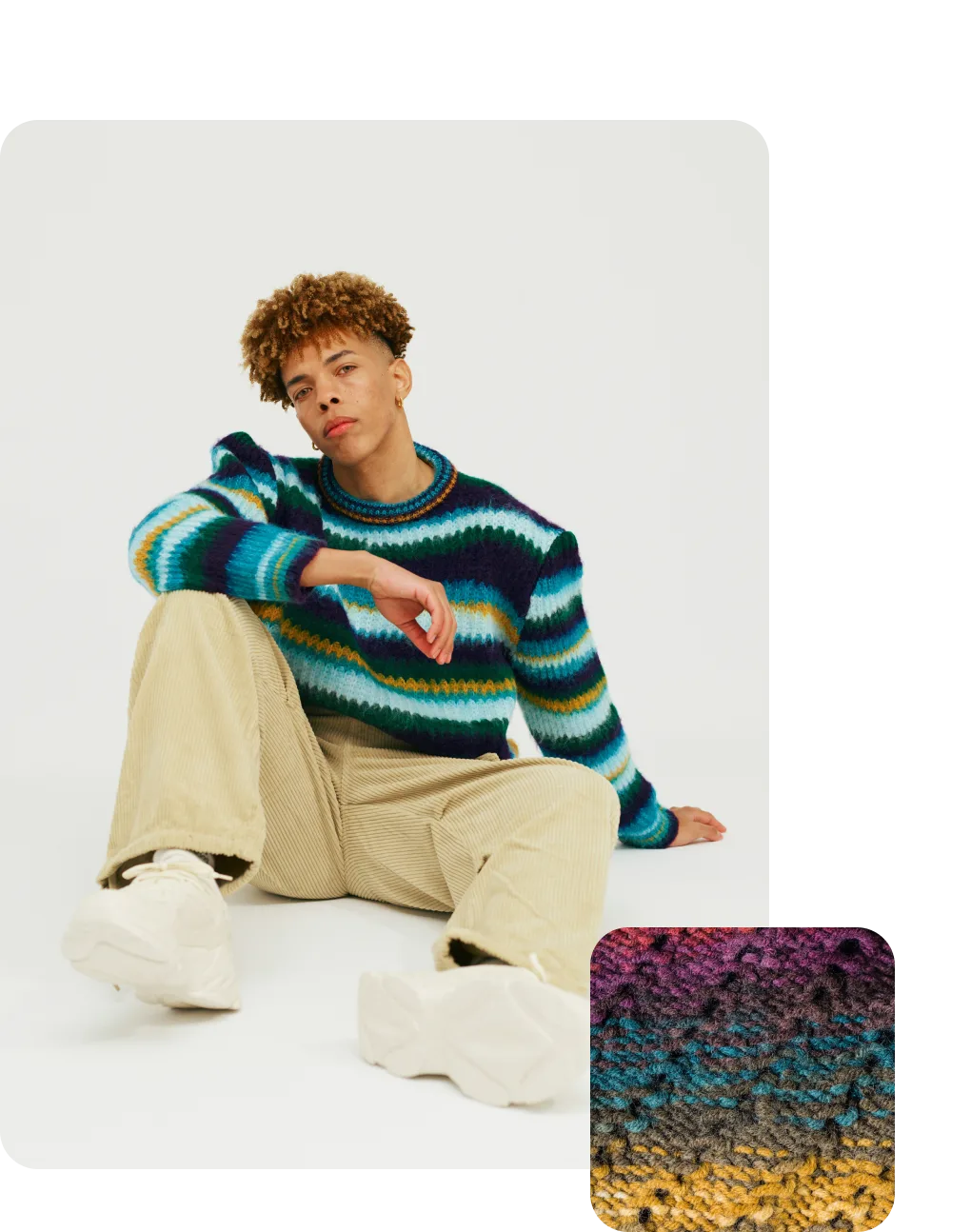
Knit fabrics are made by looping yarns together, allowing for natural stretch and greater flexibility. This stretch allows them to mold to the body’s contours and can give garments a more comfortable, body-hugging fit:
Natural Stretch
Typically 20-75% depending on knit construction.
Form-Fitting
Knits naturally conform to the body, offering a more close-fitting silhouette
Negative Ease
In some cases, negative ease (designing a garment smaller than the body) is used to ensure the fabric hugs the body for performance wear or athleisure.
PatternFast's Dual Chart System: Tailored to Both Woven and Knit Fabrics
At PatternFast, we understand that the fabric you choose dictates how a garment should fit. That’s why we provide coordinated size charts for both woven and knit fabrics.
These charts ensure that your designs maintain your brand’s fit profile while accounting for the unique characteristics of each fabric.
Woven Size Charts
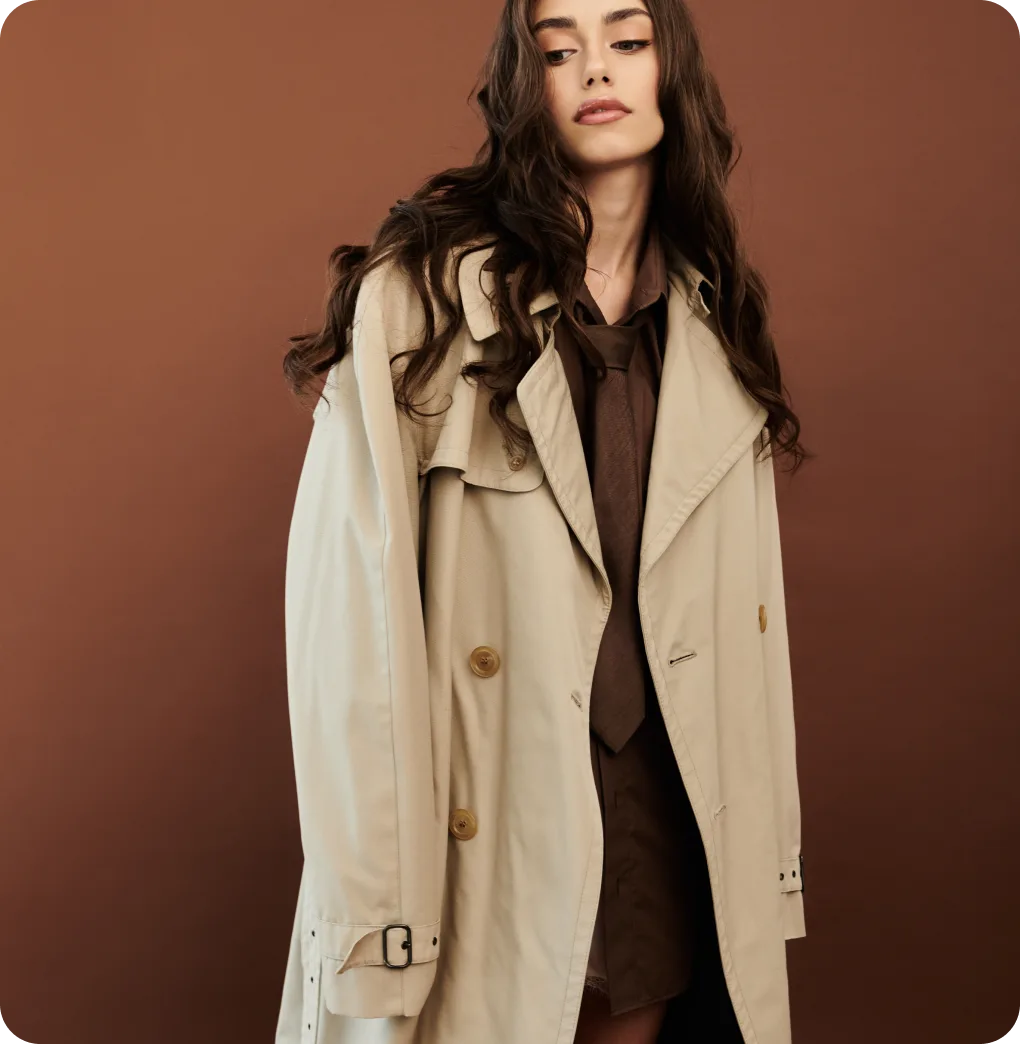
Our woven size charts are built with the structure and integrity of woven fabrics in mind. They account for:
Standard Wearing Ease
Allowing movement and comfort while maintaining a sleek, structured look.
Strategic Fullness in High-Stress Areas
Such as shoulders and seat to avoid pulling or discomfort.
Sitting Ease for Bottoms & Reach Ease for Tops and Outerwear
Ensuring mobility and comfort in everyday wear and outer garments.
Knit Size Charts
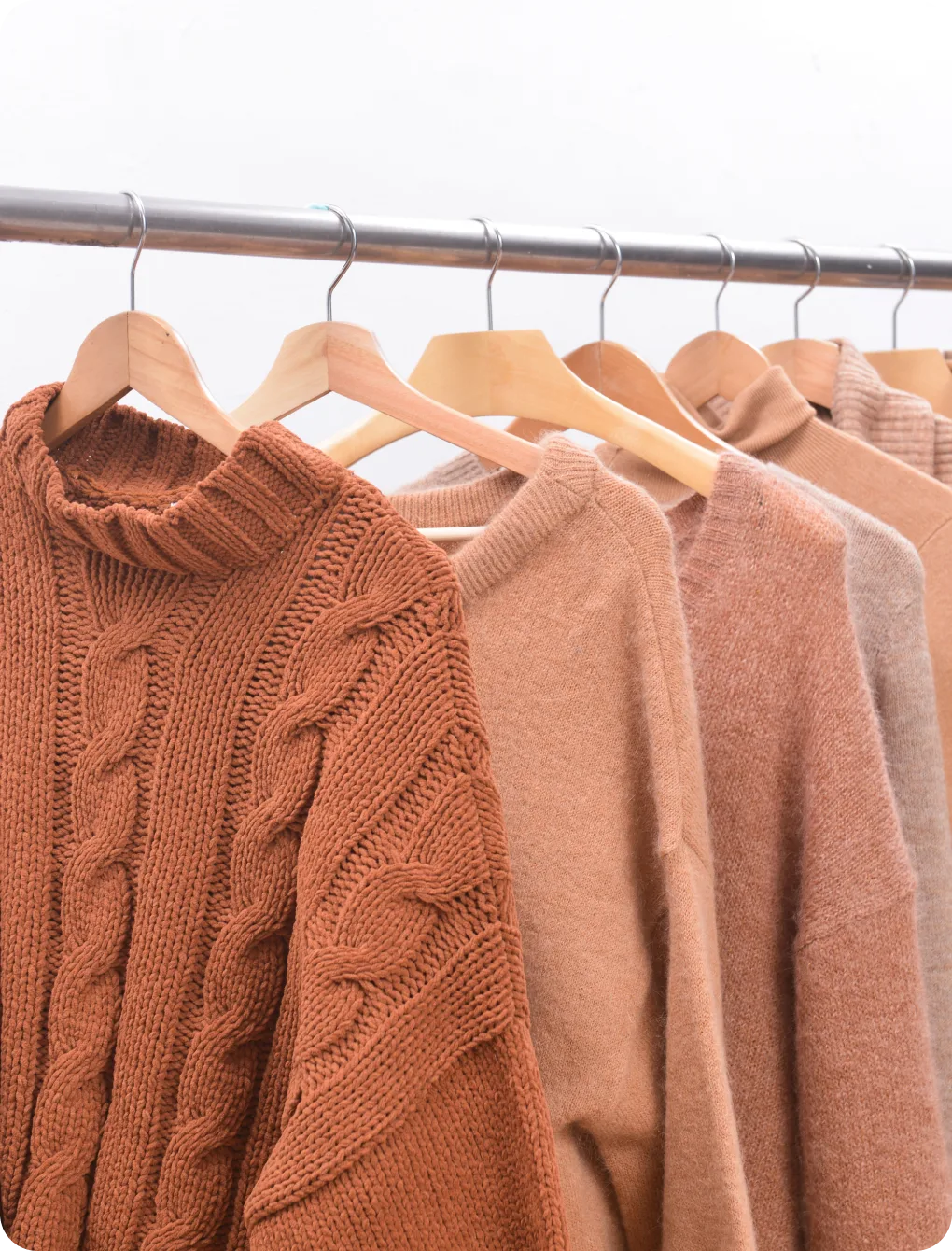
Knits are all about comfort, stretch, and body-conforming fits. PatternFast’s knit-specific patterns incorporate:
Reduced Ease Allowances
To accommodate the fabric’s natural stretch, reducing extra space for a closer fit.
Negative Ease Zones
For areas like performance wear or athleisure, where the fabric is designed to mold to the body.
Stretch Factor Compensations
Ensuring garments stretch appropriately and retain their shape, especially in activewear.
Recovery Allowances
To maintain fabric stability, even after repeated wear or stretching.
Maintaining Your Brand’s Core Fit Identity
No matter what fabric or style you're working with, PatternFast helps you preserve your brand’s signature fit across your entire collection.
The core fit profile remains consistent, ensuring that your garments deliver the same high-quality fit every time.
Core Fit Profile
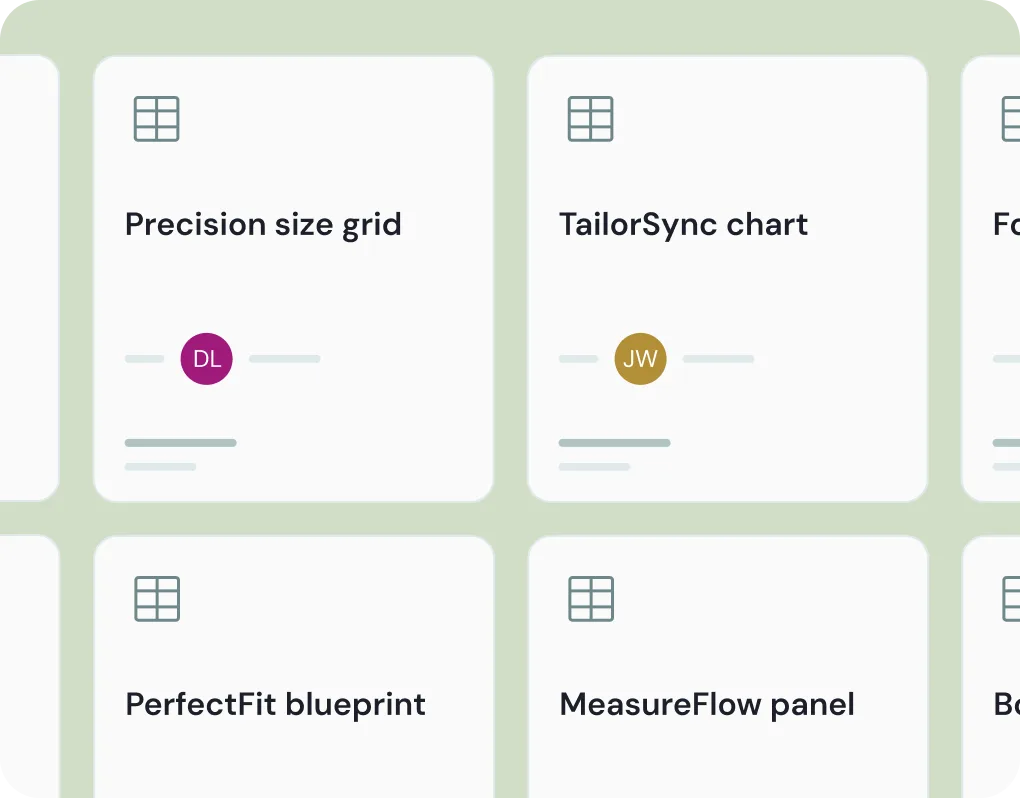
PatternFast helps you establish and maintain a consistent core fit, which includes:
- Fixed body measurements across your collection.Consistent proportion relationships (like bust-to-waist ratio, shoulder-to-sleeve relationships).Grade rules that maintain consistent sizing across styles.
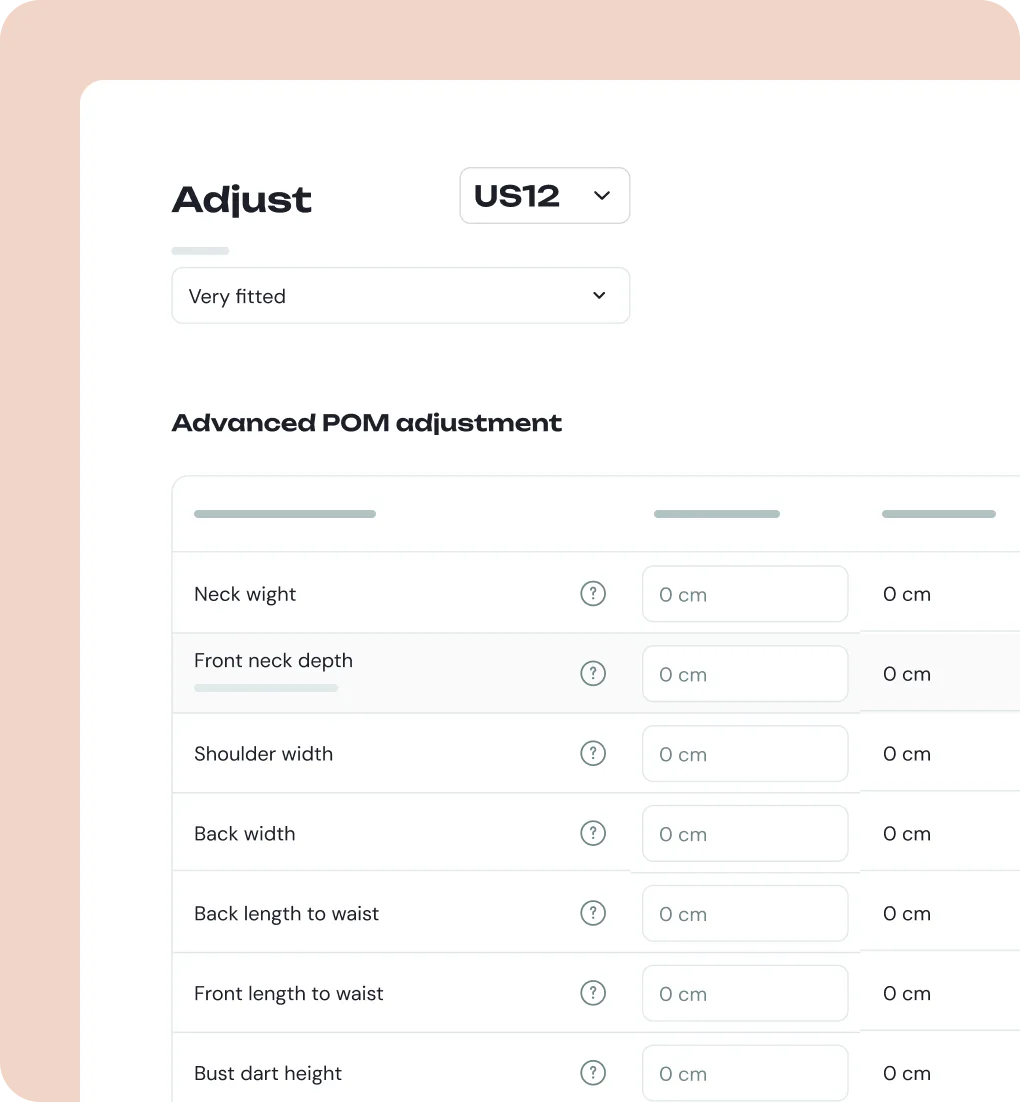
Automated Adjustments
Our platform automatically adjusts key specifications to account for different fabrics and styles, without compromising on fit. These adjustments are made seamlessly, ensuring:
- Fabric Stretch CompensationEnsures knits fit snugly, while woven garments maintain structure.
- Style-Specific Ease AllocationTailored to the movement needs of each garment type (e.g., relaxed fit pants vs. fitted jackets).
- End-Use RequirementsFor performance, activewear, or casual wear, ensuring your garments perform as expected.
Smart Measurement Relationships: AI That Understands Fit
PatternFast goes beyond basic measurements by understanding how various body measurements relate to each other, factoring in the nuances of each fabric. Our AI-driven system automates this process, calculating:
- #01Bust to Waist Ratios
Ensuring the correct proportions between these key areas to avoid fitting issues in structured or tailored garments.
- #02Hip Spring Calculations
For garments like skirts and pants, this ensures that the garment moves with the body while maintaining comfort.
- #03Shoulder to Sleeve Relationships
Important for both woven and knit fabrics, this helps ensure sleeve lengths and armhole placements are accurate.
- #04Body Rise Proportions
Specifically for pants and other lower body garments, the rise is adjusted to ensure proper fit and comfort.
Fabric-Specific Adjustments: Automatic Calculations for Perfect Fit
PatternFast ensures that fabric behavior doesn’t compromise fit by calculating automatic adjustments based on fabric types:
- #01Stretch Compensation Factors
Our system adjusts for the stretchability of knit fabrics, making sure your designs remain flattering without losing shape.
- #02Drape Allowances
Woven fabrics require specific allowances for drape to ensure the garment hangs properly. PatternFast calculates this for you, streamlining the design process.
- #03Recovery Requirements
For garments made with stretch fabrics (like athleisure), we adjust for fabric recovery, ensuring that the garment holds its shape after wear.
- #04Performance Needs
Activewear and performance gear require specific fit adjustments to accommodate movement. PatternFast’s AI calculates these allowances automatically.

Real-World Impact: Efficiency, Consistency, and Customer Satisfaction
Using PatternFast’s intelligent system ensures that your brand maintains consistent fit across different fabrics and styles, leading to:
- #01Reduced Sample Iterations
No more endless rounds of fittings. PatternFast minimizes the number of sample iterations needed.
- #02Fewer Fit Corrections
Achieve the right fit on the first try, reducing costly corrections and improving efficiency.
- #03Better First-Time Fit
PatternFast’s automated adjustments and pre-built size charts ensure a high-quality fit right out of the gate.
- #04Improved Customer Satisfaction
Consistent fit across your collections builds trust and loyalty with your customers, leading to fewer returns and more repeat business.
Looking Forward: The Future of Fit is Digital
At PatternFast, we’re leading the way with auto grading and consistent fit charts that adapt to fabric properties while ensuring brand consistency.
As the future of fashion continues to move toward digital solutions, we’re here to make sure you’re always one step ahead with a streamlined, efficient, and accurate fit process.
Ready to transform your fit process and revolutionize your design workflow? Stay tuned for our next blog, where we’ll dive into how you can implement these size charts in your design process to achieve a perfect fit across your entire collection